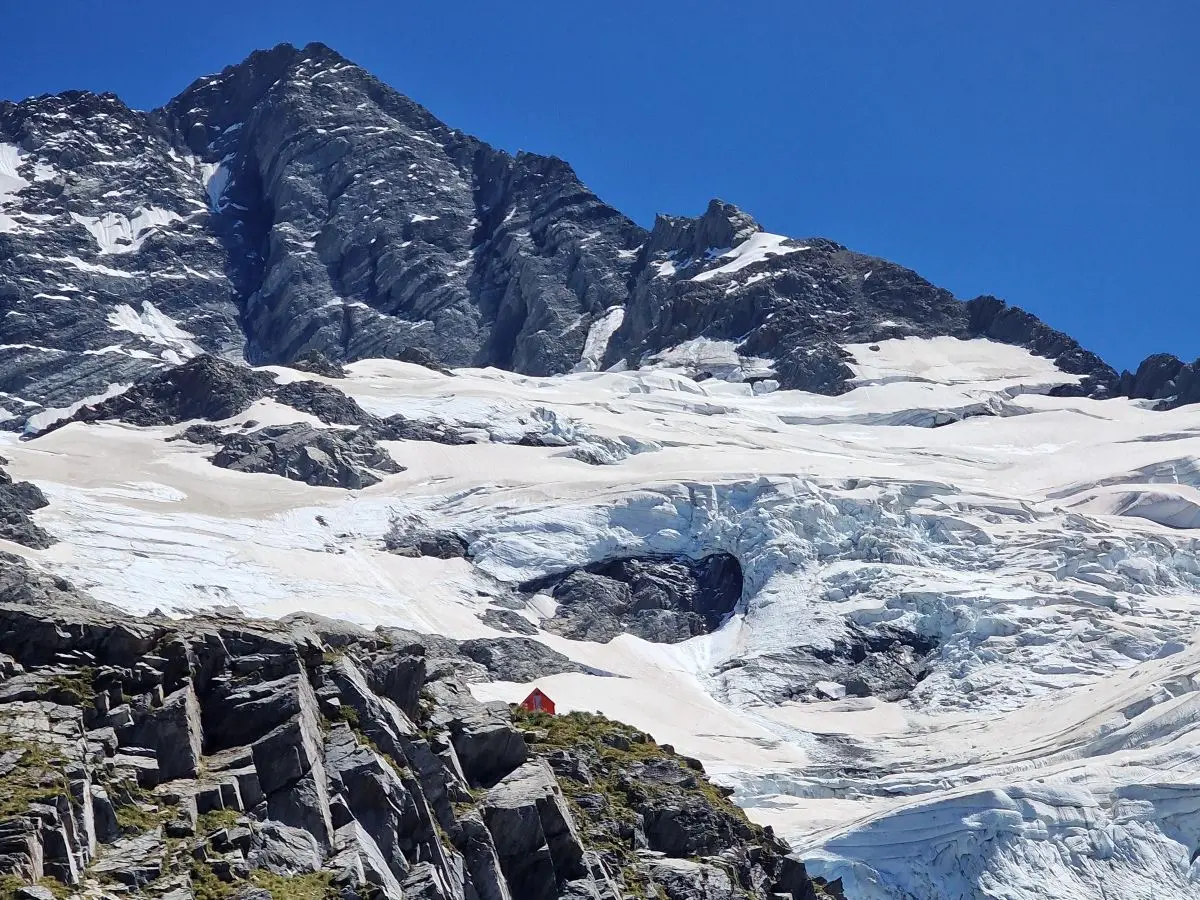
Sefton Bivvy is the ultimate alpine challenge in Mount Cook National Park, and one I’ll never forget. Experience the raw Te Waewae glacier and the park’s oldest hut with my 2026 guide.
If I had to pick one hike that’s forever etched into my mind, it’s Sefton Bivvy.
While the crowds are fighting for space on the Hooker Valley boardwalks below, Sefton Bivvy offers something different: a grueling 1,100-meter scramble that demands your full attention. But standing next to the oldest hut in Aoraki/Mount Cook National Park, looking out over the Southern Alps with barely another soul in sight? That is pure magic.
If you’re looking for a proper adventure that feels a bit more “off-the-map,” this is it. Here’s everything you need to know to tackle the Sefton Bivouac Track in 2026.
Planning your trip? My New Zealand Favorites:
🚗 Transport: Compare car and campervan deals on DiscoverCars, or even better—snag a relocation deal for $1/day with Imoova in New Zealand.
🏨 Hotels: Find the best lodges and hostels on Booking.com — I recommend staying in Mount Cook Village for at least two nights—it puts you right at the trailhead for an early start.
🚁 The Must-Do Activities: Book your Tasman Glacier Heli-Hike or Mount Cook Ski Plane Landing early. These are the two experiences you don’t want to miss in this area!
🎟️ Tours & Activities: Book Milford Sound cruises, Queenstown bungy jumps, and glow worm tours on Viator — It’s the easiest way to keep all your NZ bookings in one app.
✈️ Flights: Check Air New Zealand for domestic hops — If you’re flying from Auckland to Christchurch or Queenstown, they are the most reliable option.
🛡️ Insurance: Don’t hike without cover. I use VisitorsCoverage – It’s affordable, easy to set up, and essential for unpredictable NZ adventures.
📱 Connectivity: Stay connected with a Saily eSIM – The West Coast has massive “dead zones.” Get a Saily eSIM so you have data the second you hit a town to check those weather updates!
Table of Contents
- Sefton Bivouac Track Details
- Getting To Aoraki/Mount Cook National Park
- The Ultimate Double: Combining Sefton Bivvy & Hooker Valley
- Staying at Sefton Bivvy: The Oldest Hut in the Park
- Where to Stay: Your Mount Cook Basecamp
- Beyond the Bivvy: Epic Mount Cook Experiences
- Into the Wild: A Climb I’ll Never Forget
- FAQ
A note from Sara:
There are affiliate links in this post, and I may earn a small commission if you choose to make a purchase – at no extra cost to you. It’s a great way to support my work if you found this guide helpful – thank you so much!
Sefton Bivvy Track Details
- Location: Aoraki/Mount Cook National Park, South Island
- Starting Point: White Horse Hill Campground
- Distance: ~5.5 km one way (11 km return)
- Elevation Gain: 1,100 meters (it’s basically a vertical staircase)
- Duration: 6–8 hours return (give yourself plenty of daylight)
- Difficulty: Challenging / Unmarked Alpine Scramble
- Best Time: November to April (avoid this in winter unless you are an experienced mountaineer with ice gear)
Trail Overview
The Sefton Bivouac Track isn’t your average groomed Department of Conservation (DOC) path. It’s a steep, raw, and unmarked route that takes you from the valley floor straight into the high alpine.
The Start: You begin at the White Horse Hill Campground, briefly following the Hooker Valley Track before veering off into the scrub.
The Climb: Once you leave the main track, the “real” hike begins. You’ll be navigating through sub-alpine greenery that quickly turns into a steep, rocky ridge.
The Scramble: The final third of the hike requires some “hands-on” work. You’ll be scrambling over boulders and navigating narrow rocky sections. It’s physically demanding, but the reward is standing at 1,650 meters right below The Footstool.
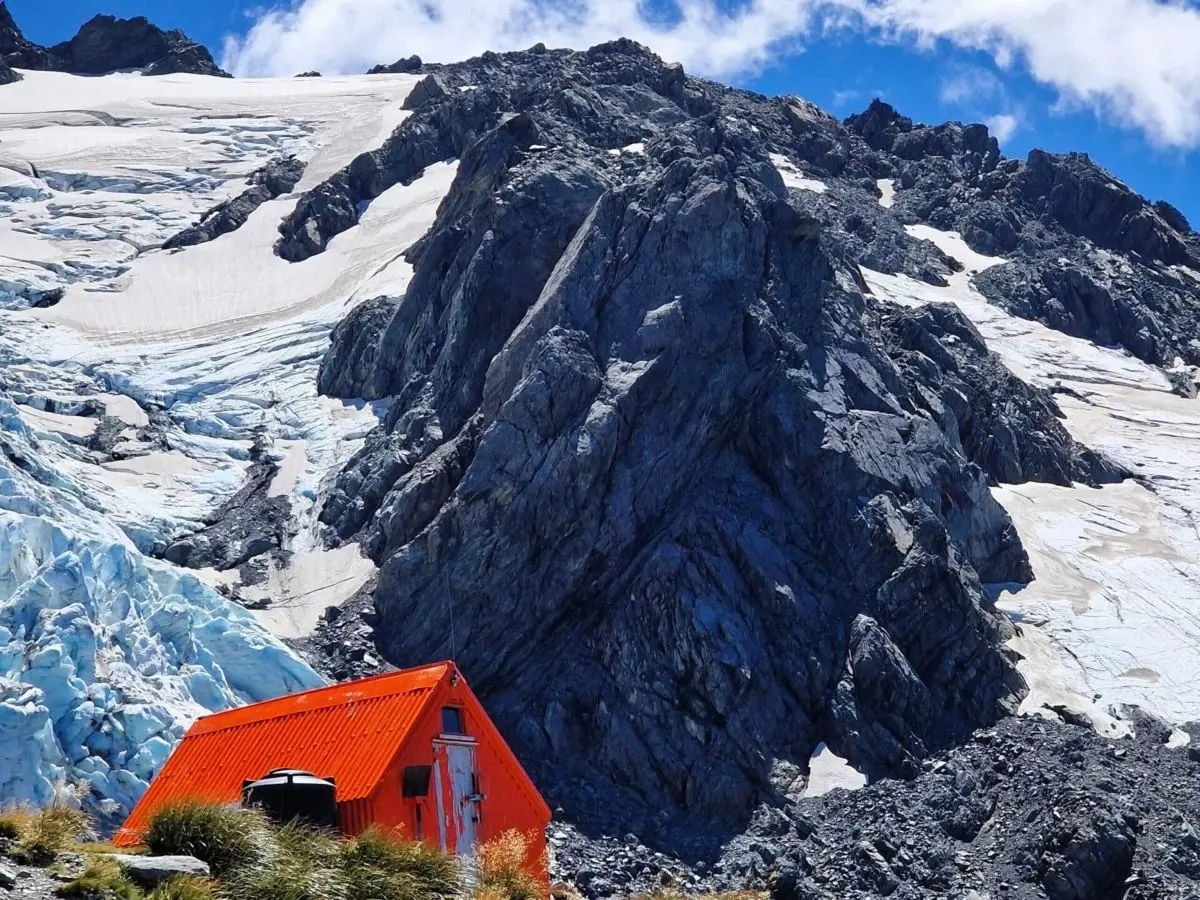
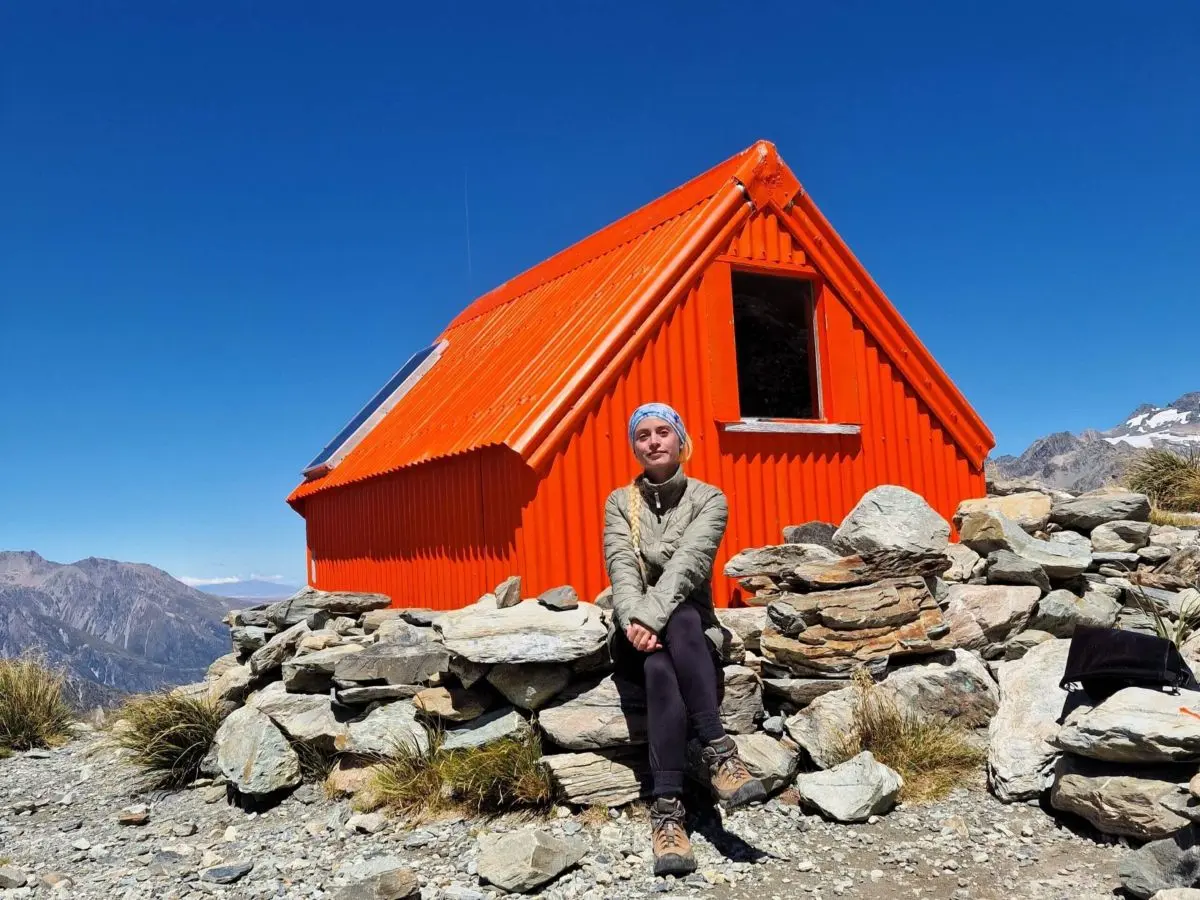
The Payoff: At the top, you’re greeted by the historic Sefton Bivouac—the oldest building in the park—and a front-row seat to the crashing ice of the Te Waewae Glacier.
Getting To Aoraki/Mount Cook National Park
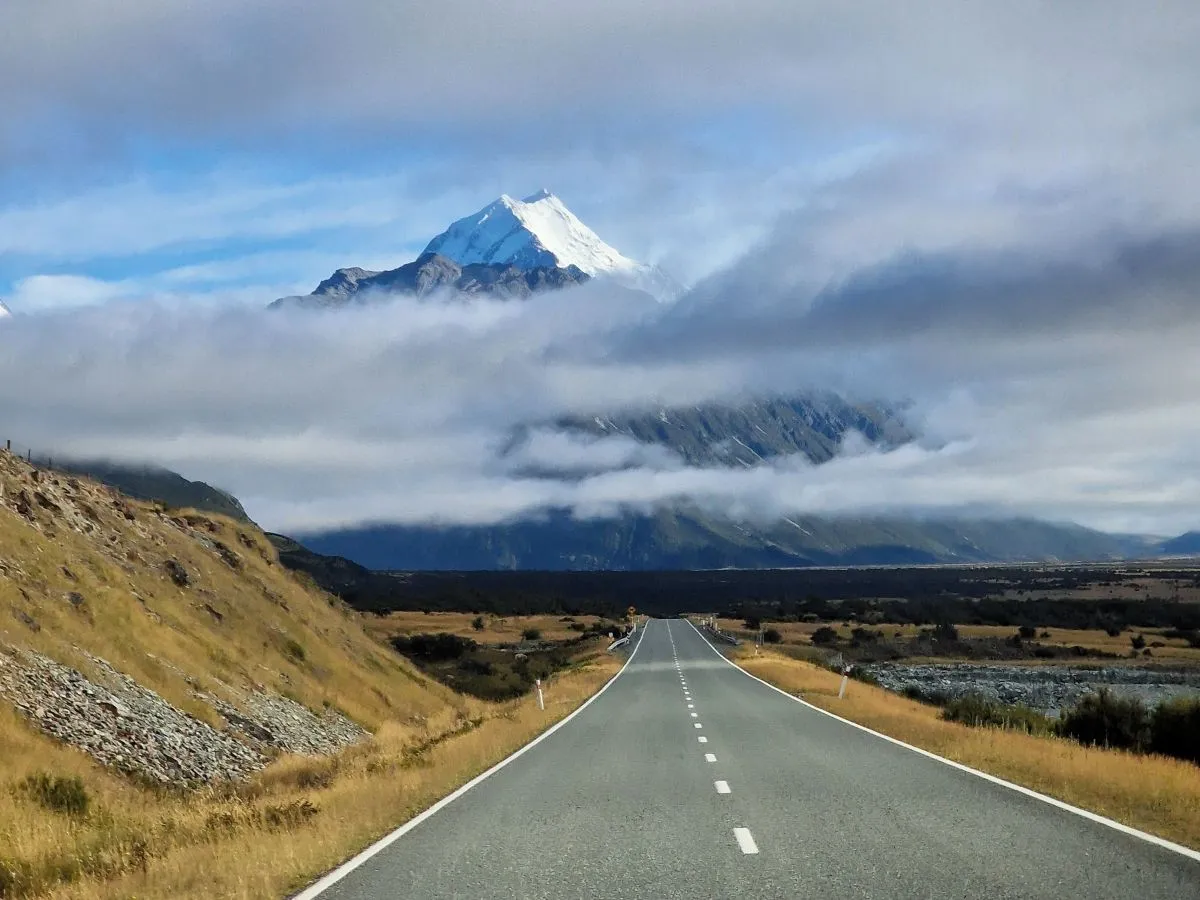
Aim your compass toward Aoraki/Mount Cook National Park and prepare for one of the most iconic drives on the planet. Whether you’re behind the wheel of a campervan or hitching a ride, the journey is just as good as the destination.
By Car (The Best Way)
Driving is the gold standard here. From Christchurch, it’s a stunning 4-hour trip. You’ll wind past the turquoise waters of Lake Tekapo and Lake Pukaki, with the Southern Alps getting bigger and meaner with every turn.
- Pro Tip: When you hit State Highway 80, you will want to pull over for photos every five minutes. The view of Aoraki reflecting in Lake Pukaki is legendary.
- Rental: If you haven’t booked wheels yet, check DiscoverCars. Having your own car means you can time your hike for the best weather window without worrying about bus schedules.
Public Transport & Shuttles
If you’re not driving, you can catch an InterCity bus from Christchurch or Queenstown.
- The Catch: Most buses drop you in Mount Cook Village. From there, you’ll need to walk or grab a local shuttle to reach the White Horse Hill Campground, which is about 3 km from the village and acts as the “launchpad” for the trek.
Group Tours & Day Trips
If you aren’t renting a car or just want to sit back and enjoy the views without worrying about the winding roads, a group tour is a solid shout. Most of these kick off from Queenstown and include some epic stops along the way.
- The Full Experience: This small group tour from Queenstown is great because it actually gives you time to hike the Hooker Valley.
- The Classic Day Trip: Perfect if you’re based in Queenstown and want a guided look at the park’s highlights and Lake Pukaki.
- The One-Way Mission: If you’re traveling from Queenstown to Christchurch, this tour turns a long transit day into a full-blown adventure with a stop at Mount Cook.
- Go Private: If you’re traveling with a group or just want a tailor-made day, this private tour includes Lake Tekapo and lets you move at your own pace.
The Ultimate Double: Combining Sefton Bivvy & Hooker Valley
If you’re like me and want to make the absolute most of your day, you can actually knock out both the Hooker Valley Track and the Sefton Bivvy in one go.
I’ll be honest: it’s a big day. My step count hit over 21 kilometers, and it took about 8 hours from start to finish. But if you have the stamina, it’s the best way to see the park’s famous boardwalks and its rugged alpine heights in a single session.
How to do it (The Smart Way)
I did Hooker Valley first and then hit the Bivvy on the way back. If I were to do it again? I’d do it in reverse.
- Start Early (8:00 AM): Tackle the Sefton Bivvy scramble first while your legs are fresh and the sun isn’t at its peak.
- The Descent: Once you scramble back down to the valley floor, you’ll join the main Hooker Valley Track.
- The “Easy” Finish: Use the flat, groomed boardwalks of the Hooker Valley as your “cool down.” It’s a 10km round trip, but with minimal elevation, it feels like a breeze compared to the 1,100m climb you just finished.
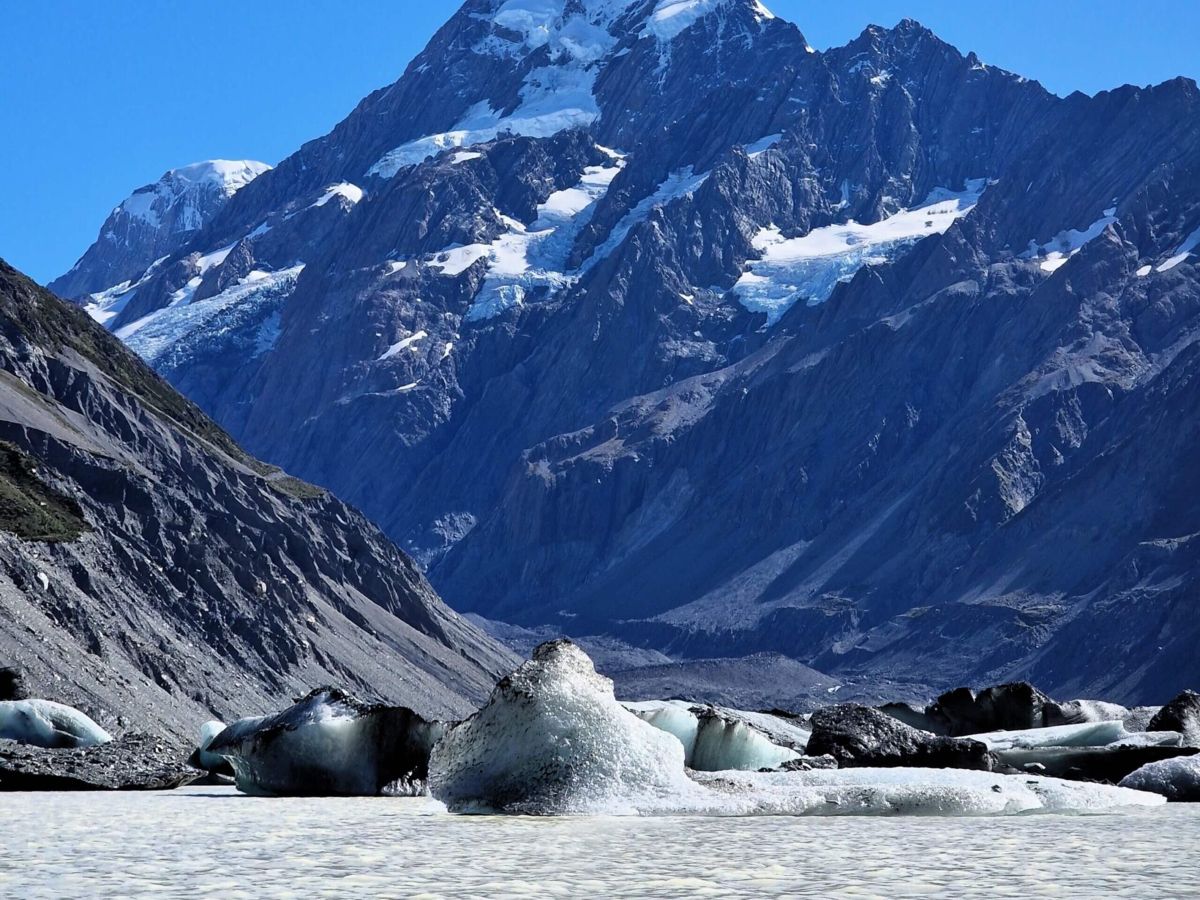
- The Reward: Ending your day at the iceberg-filled Hooker Lake is the perfect way to soak in the views of Aoraki before the final flat walk back to the car park.
Quick Stats for the Double:
- Total Distance: ~21 km
- Time Needed: 8–10 hours
- Difficulty: High (due to endurance)
- Start/End Point: White Horse Hill Campground (both trails share the same launchpad!)
Staying at Sefton Bivvy: The Oldest Hut in the Park
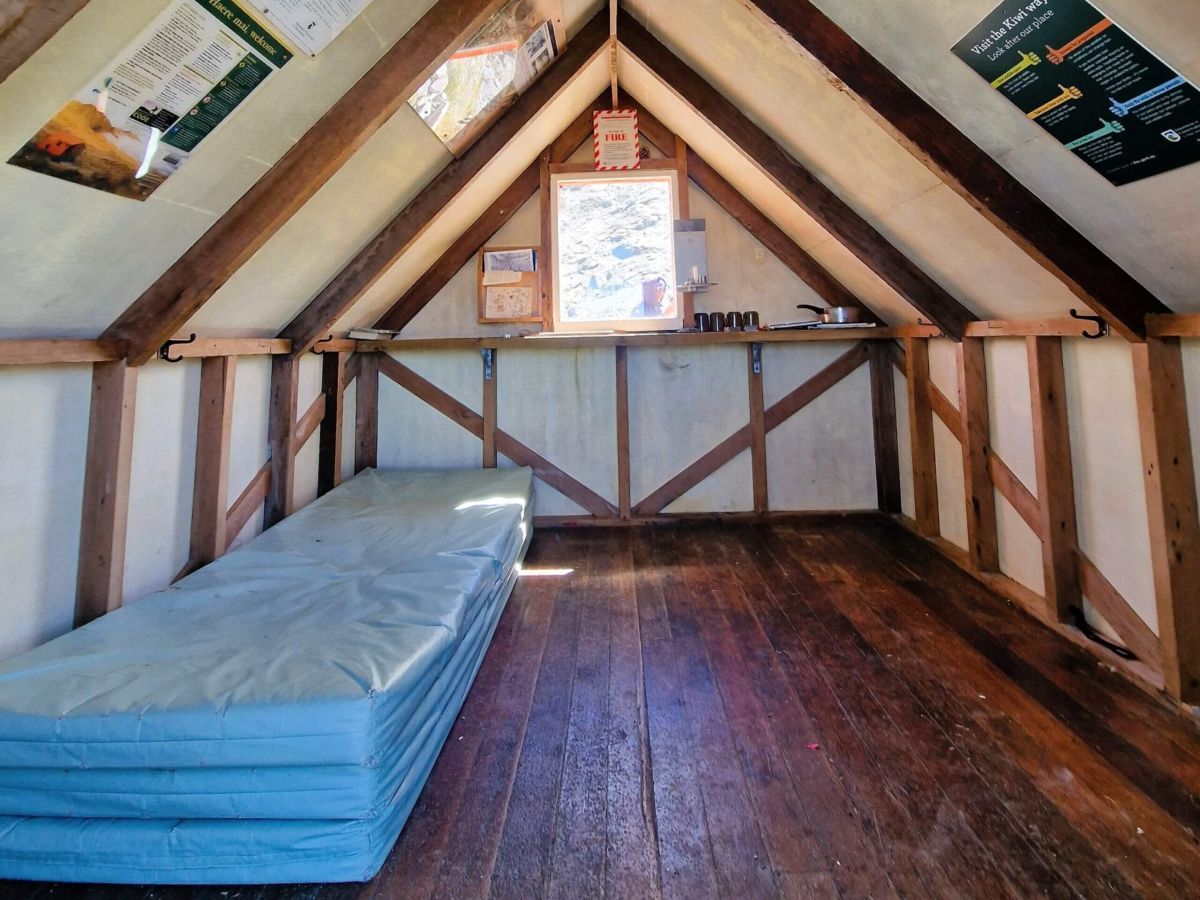
Reaching the Sefton Bivouac is like stepping back in time. Built in the early 1900s, this is the oldest hut still standing in its original spot in Aoraki/Mount Cook National Park. It’s tiny, bright orange, and has weathered a century of brutal alpine storms.
How to Stay Overnight
If you’re looking for a true “wild” experience, you can actually sleep here. But don’t expect a hotel—it’s a basic shelter designed for climbers.
- Booking: No bookings are required! It’s free and operates on a first-come, first-served basis.
- Capacity: There are only 4 mattresses. If it’s full, you’re either sharing the floor or camping outside on the rocky (and very uneven) ground.
- Water: There’s a small tank/tap, but the water is untreated. Always bring a filter or purification tablets, or carry enough water for the night.
- The Toilet: There is a “Denali 400” toilet (basically a seat on a tank) located nearby. It’s open-air, which means you get the best bathroom view of your life, but it’s definitely not private!
What to Bring if You Stay
If you’re planning to spend the night, you need to be self-sufficient. Pack a warm sleeping bag (even in summer), a stove, and plenty of high-energy food. The wind can howl up there, so even if it’s 20°C in the valley, it can drop to freezing at the Bivvy.
Pro Tip: Because it’s so small, most people do this as a day hike. If you do want to stay, try to arrive by early afternoon to snag one of the four bunks!
Where to Stay: Your Mount Cook Basecamp
Mount Cook Village is tiny, and because it’s a National Park, accommodation fills up months in advance. If you’re planning to tackle the Sefton Bivvy, I highly recommend staying as close to the trailhead as possible so you can start at sunrise.
Top Picks in Mount Cook Village
- The Legend: The Hermitage Hotel If you want the “bucket list” experience, this is it. It’s the historic heart of the village. Even if you don’t stay here, grab a coffee at their cafe—the view of Aoraki through the floor-to-ceiling windows is life-changing.
- Best for Hikers: Aoraki Mount Cook Alpine Lodge This is my personal favorite for hikers. It has a massive communal kitchen and a lounge with a fireplace where you can swap trail stories with other hikers. It feels more like a cozy lodge than a hotel.
- Budget-Friendly: YHA Aoraki/Mount Cook Clean, social, and much cheaper than the hotels. It’s great for solo travelers or backpackers who just need a solid bed and a good kitchen before the big climb.
Nearby Alternatives (If the Village is Full)
- Glentanner Park Centre: About 15 minutes away by car. It’s a great holiday park with cabins and campervan sites right on the edge of Lake Pukaki.
- Twizel: The nearest actual town (about 45 mins away). If everything in the park is booked, Twizel has plenty of Airbnbs and motels. It’s also where you’ll find the last proper supermarket before you enter the park!
The “Wild” Option
White Horse Hill Campground: This is right at the trailhead. You can’t book most of the sites (it’s first-come, first-served via DOC), but waking up right at the base of the mountains is an experience you can’t beat.
Beyond the Bivvy: Epic Mount Cook Experiences
If your legs are toast after the Sefton Bivvy climb, or you just want to see the Southern Alps from a different perspective, there are some world-class tours in the area. From walking on glaciers to literally jumping over them, here are my top picks:
For the Ultimate View: Ski Planes & Helicopters
- The Ultimate Combo (Ski Plane + Helicopter): Can’t decide between a ski plane or a heli? This 45-minute tour lets you experience both. You get a glacier landing and views of Aoraki that will make your jaw drop.
- The High Country Heli-Hike: If you still have some energy left but want a more exclusive trail, this heli-hike takes you to a remote part of the high country for a guided trek away from the main park crowds.
For the Glacier Seekers
- Tasman Glacier Boat Experience: This is one of the only places in the world where you can get close to massive icebergs in a terminal lake. It’s way less physically demanding than the Bivvy and perfect for recovery day.
- Ski the Tasman: Visiting in winter? You can actually ski New Zealand’s longest glacier. This is an epic “once-in-a-lifetime” experience for intermediate skiers.
For the Adrenaline Junkies
- Skydive Mt. Cook: If 1,100 meters of elevation gain wasn’t enough for you, try jumping from 13,000 feet. Skydiving over the glaciers and peaks of the Southern Alps is hands down the most scenic jump in the country.
For the Day-Trippers
- The Full Adventure Tour: If you’re staying in Queenstown and don’t want to drive the 3+ hours each way, this small group tour handles all the logistics and includes lunch and key stops at Lake Pukaki.
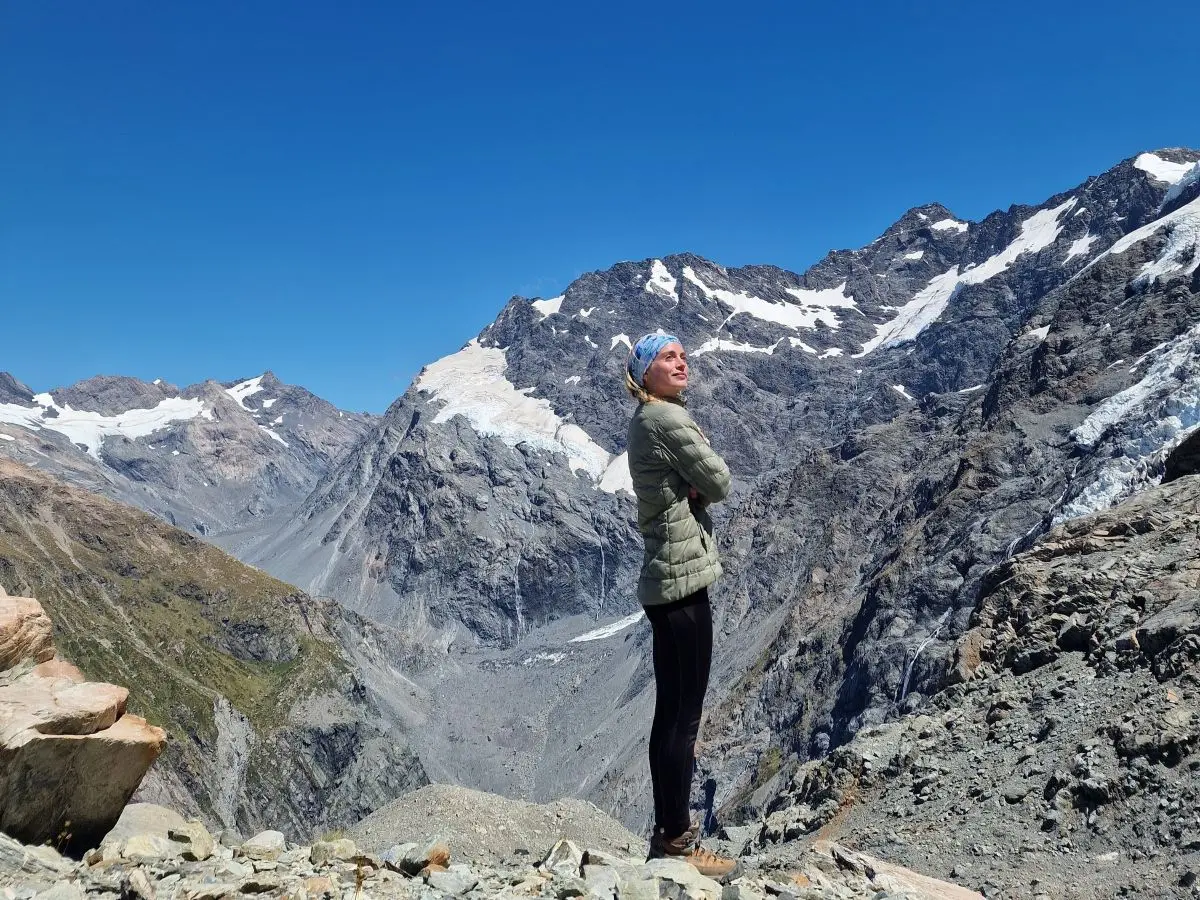
Into the Wild: A Climb I’ll Never Forget
Once you step off the gravel of the Hooker Valley Track, the “tourist” version of Mount Cook vanishes. Suddenly, it’s just you, the scrub, and a very steep wall of mountain.
Finding the Path
My travel buddy JD and I tried to be smart and follow the map, but let’s be real—the “trail” is more of a suggestion at the start. We spent the first twenty minutes scrambling over random rocks and leaping across streams, wondering if we’d already lost the plot.
Eventually, we stumbled onto a worn path about a third of the way up. It’s narrow, exposed, and gets thrillingly steep very quickly. Looking down for the first time was one of those “okay, don’t trip” moments that really gets the adrenaline pumping.
The “Existence Crisis” Section
About 80% of the way up, I hit the section that I’ll never forget. The path basically disappears and turns into a vertical wall of rock. To get through it, you have to stow your hiking poles and use your actual hands to pull yourself up.
I’m not going to lie—I had a moment there where I just stopped. My heart was thumping against my ribs, the wind was whipping around the ridge, and my knuckles were white from gripping the rock. I looked up, looked down, and thought, “Why am I doing this again?” But there was no way I was turning back that close to the top. I took a breath, found my footing, and hauled myself up.
Summit Serenity
Pulling myself over that last brutal section felt like hitting a personal summit. Suddenly, the terrain leveled out into giant boulders, and there it was—The Sefton Bivouac.
Standing there at 1,650 meters, listening to the Te Waewae Glacier crack and groan right in front of me, I felt incredibly small and exhilaratingly high at the same time. Up there, the air is different. It was just us and a couple of local Kiwis, swapping lunch and stories while staring at a view that felt like the edge of the world.
The descent was surprisingly smooth, but my legs were definitely feeling every one of those 1,100 meters by the time we hit the car park. Seeing JD’s grin when we finished made the “existence crisis” totally worth it.
Sefton Bivvy FAQ
Is the Sefton Bivouac Track safe?
It is safe for experienced hikers with good navigation skills, but it’s a “proper” alpine scramble. There are steep, exposed sections where a fall could be serious. If you aren’t comfortable using your hands to climb or navigating unmarked terrain, I’d stick to the Mueller Hut route or Hooker Valley.
Do I need to book the Sefton Bivouac?
No, the bivvy is free and operates on a first-come, first-served basis. It only sleeps four people, so if you’re planning to stay overnight, have a backup plan (like a lightweight tent) or arrive very early.
Can I do this hike in winter?
Only if you are an experienced mountaineer with ice axes, crampons, and avalanche training. For everyone else, the track is strictly a late spring to early autumn mission (November–April). Snow makes the scramble sections incredibly dangerous.
How do I find the start of the trail?
Start on the Hooker Valley Track from the White Horse Hill Campground. About 15-20 minutes in, keep a sharp eye on your left for small rock cairns and a faint path leading into the scrub. If you hit the first swing bridge, you’ve gone too far!
Is there water on the trail?
There is no water along the climb. There is a small tank at the Bivvy itself, but the water is untreated and can run dry in mid-summer. Carry at least 2–3 liters per person from the campground.
I am so glad I hiked Sefton Bivvy!
At the end of the day, Sefton Bivvy is everything a New Zealand adventure should be. It’s a bit scary, a lot of work, and it leaves you feeling absolutely tiny compared to the mountains.
When JD and I finally made it back to the White Horse Hill car park, we were covered in dust, and our knees were shaking. But as we drove back down Mount Cook Road, watching the sunset turn Aoraki pink in the rearview mirror, we weren’t talking about the struggle. We were talking about the roar of the glacier and that orange hut perched on the edge of the world.
Experiences like this are exactly why we travel to the bottom of the world.
Safe hiking out there! If you’re have more time to explore, check out my other guides to New Zealand Adventures.
Leave a Reply